
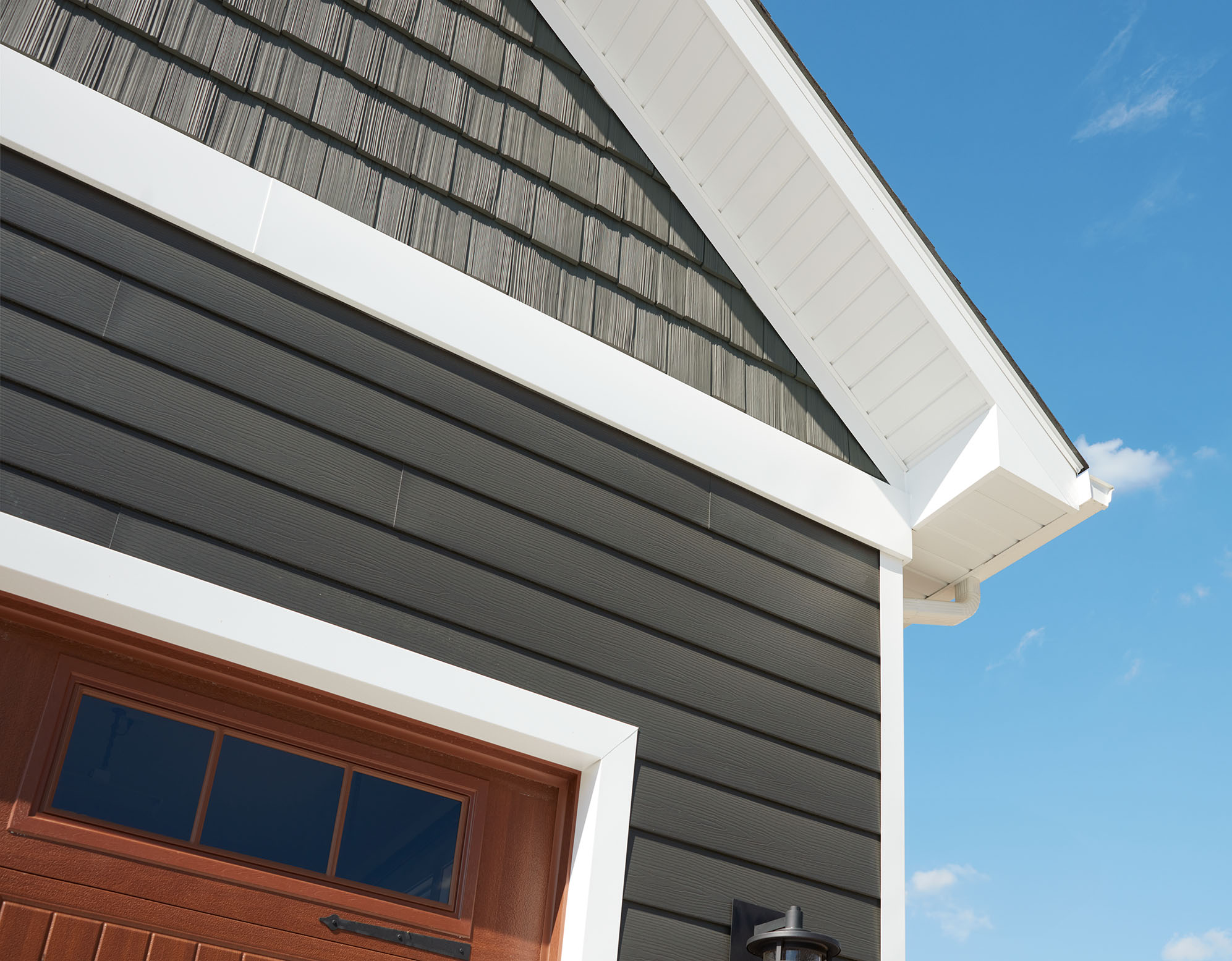
Walk around almost any home and you’ll see them: the horizontal band running along the roofline (fascia) and the material that fills in the underside of the roof overhang (soffit). They’re not the most glamorous parts of an exterior renovation, but they’re among the most important — and replacing them with aluminum is one of the best long-term investments a homeowner can make.
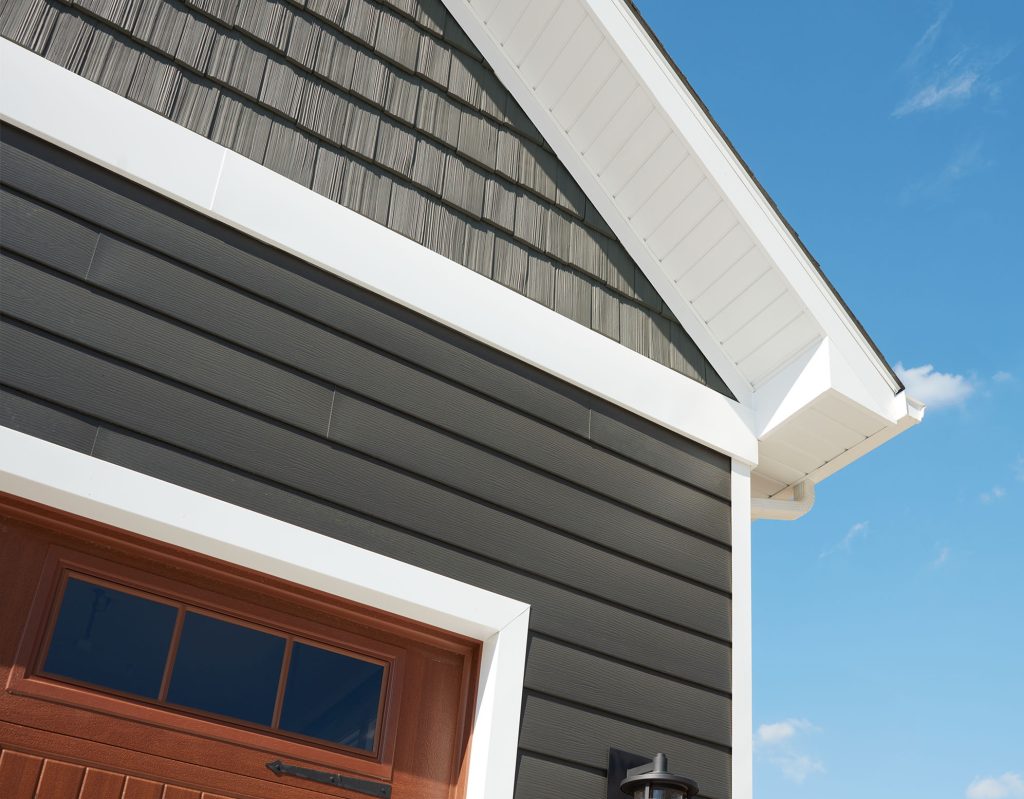
Fascia and soffit often get overlooked until there’s a visible problem. Understanding what they do — and what warning signs to watch for — can save you from costly structural repairs down the line.
What do fascia and soffit actually do?
The fascia board runs along the lower edge of the roof, directly behind where your eavestroughs attach. It provides a structural anchor for the gutter system and seals the ends of the rafters from weather exposure. Without a properly maintained fascia, water can work its way into the roof structure, leading to rot, mold, and eventually costly structural damage.
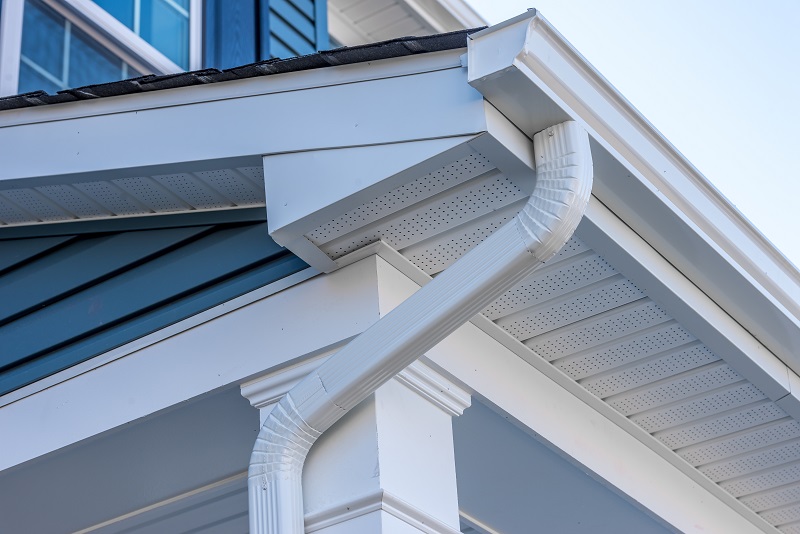
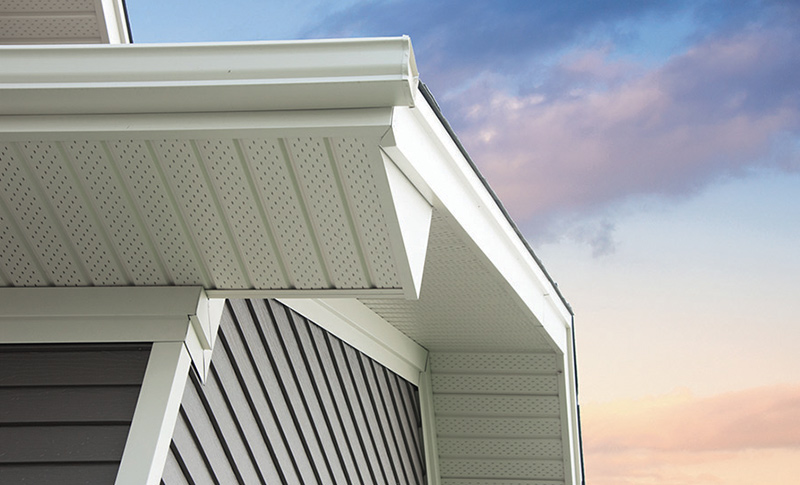
Soffit sits on the underside of the roof overhang — the part you see when you stand close to a house and look up. Its primary job is ventilation: vented soffit panels allow air to flow into the attic space, which helps regulate temperature and moisture. This airflow is essential for preventing ice dams in winter and prolonging the life of your roofing system. Soffit also seals out birds, insects, and debris that would otherwise find their way into the rafters.
Key distinction
Fascia faces outward and is visible from the street — it frames your roofline. Soffit faces downward and is visible when you stand close to the house. Both need to work together for proper protection and ventilation.
Warning signs it’s time to replace
Many homeowners only notice soffit and fascia when there’s already a significant problem. Keep an eye out for these common warning signs:
- Peeling or flaking paint on the fascia, especially near joints or where gutters attach
- Soft spots, visible rot, or warping on wood fascia boards
- Water stains or discolouration on the soffit panels
- Evidence of pest activity — small holes, insect nests, or sounds of animals in the eaves
- Daylight visible through the soffit when viewed from inside the attic
- Inadequate attic ventilation, which can cause condensation and mold buildup
If you’re already planning to replace your gutters or siding, it’s almost always worth doing the fascia and soffit at the same time. Coordinating these projects reduces labour cost and ensures everything looks cohesive and performs as a system.
Why aluminum is the preferred material
Traditionally, fascia and soffit were made from wood. While wood can look beautiful when new, it requires regular painting and is vulnerable to moisture — especially in a climate like Quebec’s, where freeze-thaw cycles put constant stress on exterior materials.
Aluminum has become the standard for good reason. It doesn’t rot, split, or warp. It’s resistant to insects. It holds its factory-applied finish for decades without peeling or blistering. And it’s available in a wide range of colours to complement any home exterior. Aluminum soffit panels come in both solid and vented configurations; vented is typically recommended for maximum attic airflow, though solid panels are sometimes used in specific architectural situations such as porch ceilings.
Fascia is available in smooth or ribbed profiles, and is typically installed by wrapping existing wood fascia boards — a technique that locks in a watertight seal while giving a clean, finished look.
Planning your project: key questions to ask
Before committing to a fascia and soffit replacement, here are the questions worth discussing with your contractor or supplier:
Are there any areas of the roofline — gables, rakes, or soffits over attached garages — that require special attention?
Do the existing fascia boards need to be repaired or replaced before wrapping? Aluminum wrap is not a substitute for structurally sound wood underneath.
What ventilation rate is needed? Proper attic ventilation follows building code guidelines — typically 1 sq. ft. of net free ventilation area per 150 sq. ft. of attic space.
Will the new soffit and fascia match or complement the planned siding and gutter colours?
Not sure where to start?
Aluminum Cardinal offers expert assessment, supply, and installation of aluminum fascia and soffit across the region. We help you plan the full roofline system so everything works together. Contact Us
Laisser une réponse